The self-reliant home almanac
The old Japanese house ran on almost nothing. Yours can too.
Press play. In three minutes, see how a home stayed warm, dry and fed for a hundred years — without a utility company on speed dial.
Instant download · PDF · 7-day money-back guarantee
50+
Numbered methods, each priced at 2026 rates
8
Parts, from philosophy to repair
300
Illustrated pages of step-by-step methods
7-day
Money-back guarantee, no questions
I.
The spine
Four rules. That's the whole trick.
Every method in the book falls out of these four. Learn them once and you'll start spotting the fixes yourself — before you've even opened the chapter.
— 1 —
Mottainai — waste nothing
Every scrap, drop, and object has another use. Bathwater does the laundry, ash scrubs the pot, the torn cushion is mended the day it tears.
— 2 —
Feed the system, not the symptom
Mold is a ventilation problem. A dead lawn is a soil problem. A cold room is a body problem. The manual names the system behind the symptom — then fixes that, once, cheaply.
— 3 —
Let the house breathe
Heat, damp, and air each need a path. The old house gave them one — cross ventilation, breathing walls, deep eaves — and stayed dry for a century.
— 4 —
Live by the season, not the emergency
The reed screen goes up before the heat, the drafts are sealed before the frost. The year becomes a short to-do list instead of a series of expensive surprises.
II.
What's inside
Every method earns its page.
No filler chapters, no philosophy padding past Part 1. Each method is a few pages: what it is, what it costs at real 2026 prices, how to do it step by step — and an honest note on what it won't do. Pick the ones that fit your house — you don't have to do them all.
Part 1 · Philosophy
The waste-nothing law.
Part 2 · Heat & cool
Heat & cool: comfort without the bill.
Part 3 · Water & damp
Water & a dry house.
Part 4 · Cleaning
Clean the whole house without chemicals.
Part 5 · The pantry
The pantry: preserve food, waste nothing.
Part 6 · The ground
The ground: soil, garden, lawn & pests.
Part 7 · Repair
Repair & protect: mend, don't buy.
Part 8 · The year
The year, the money & the shopping list.
“The house does not need more money. It needs a path for the heat, the damp, and the air — and someone who mends things the day they tear.”
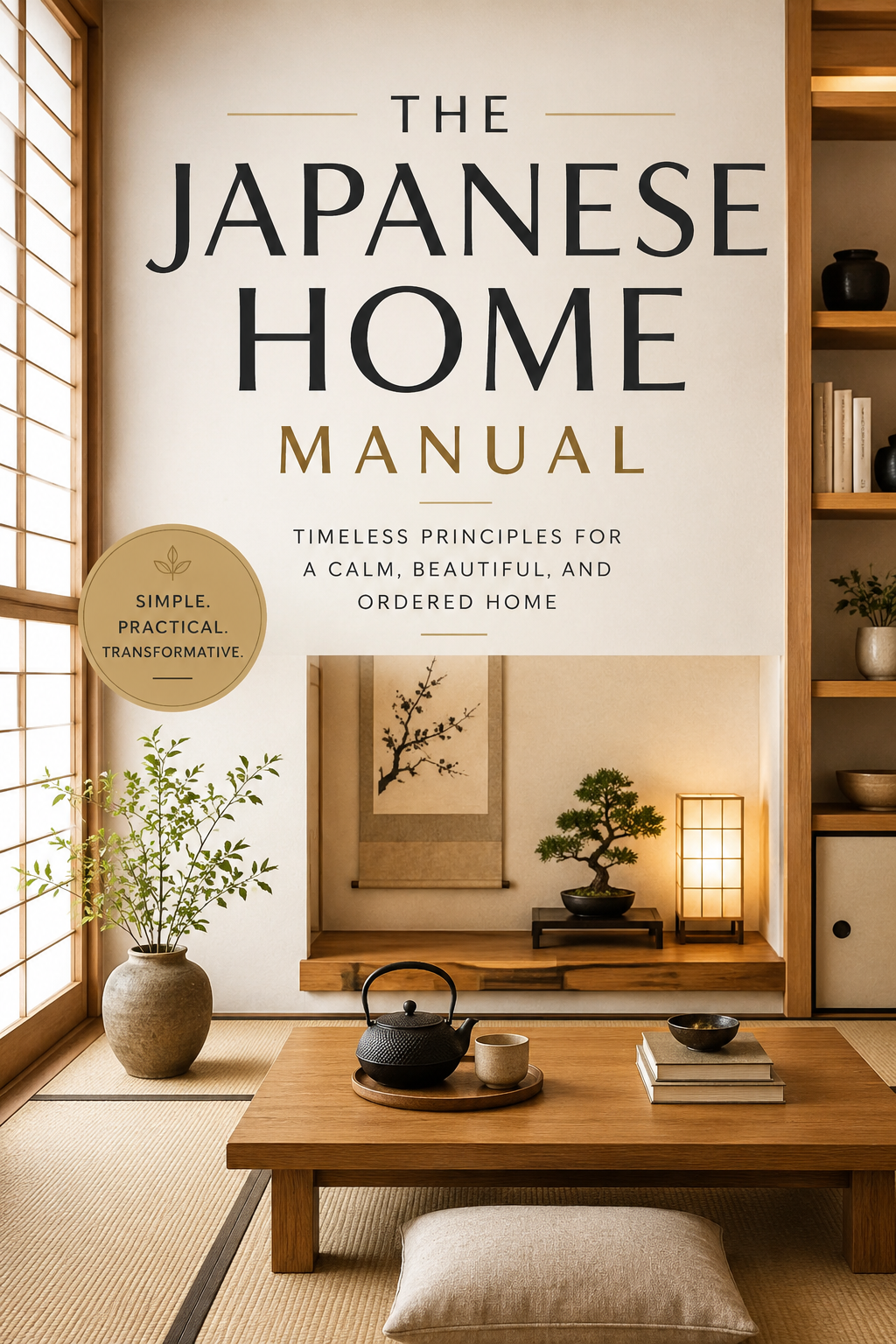
III.
The offer
One price. The whole system.
The manual plus every appendix that makes it work on day one — nothing sold separately, nothing held back for an "upgrade."
Instant access on Gumroad · 7-day money-back guarantee · yours forever
IV.
The math
The math on $37.
Don’t weigh this book against other books. Weigh it against what one season of doing nothing costs you. Here’s the same house, two ways.
Keep paying for it
And it all comes back next year
season after season, for good
Read the manual first
Earns itself back the first month
just over the price of one takeout dinner

V.
Who wrote this
Who’s telling you this.
I grew up in an old house that ran on almost nothing. The bathwater did the laundry, a reed screen and a quilt met the summer and the winter instead of a switch on the wall, and nothing left the house that could still be mended. My mother kept it that way, and her mother before her.
I’m not a guru, and I’m not selling you a lifestyle. These are simply the old-country methods I was raised on — the ones most families quietly let go once the bills got easy to pay. I wrote every one of them down, with the real cost beside it, so they wouldn’t disappear with my generation. This book is what I’d tell you across the kitchen table, written down once so you don’t have to ask.
VI.
Questions
Before you ask.
I don’t live in Japan. Does any of this apply to my climate?
Yes — the methods are organized by problem (heat, damp, cleaning, soil), not by geography. Each one notes where it works best: the shading and ventilation chapters matter most in humid summers, the kotatsu-style heating in cold winters, and the cleaning, pantry, and repair parts work anywhere with a hardware store.
I rent. Can I use this?
Most of it. Most of the methods need no permanent modification — window insulation, draft sealing, the reed screen, charcoal drying, the whole cleaning and pantry system, the ledger. Methods that touch the structure are clearly marked so you can skip them.
Will it actually save money?
The book is priced against its own promise: each method lists what it costs to set up at current 2026 prices and what it replaces. Most households cover the price of the manual in the first month from heating and cleaning-product changes alone.
Where do I start?
Appendix A is a thirty-day, week-by-week starter plan — it sequences the highest-return methods first so you never have to decide what to do next. The troubleshooting index (problem → cause → method #) covers the rest.
What format is it, and are there more books coming?
A single downloadable PDF, 300 illustrated pages, readable on anything and printable. You get every future revision free. Updates and any follow-up volumes are announced to buyers first.